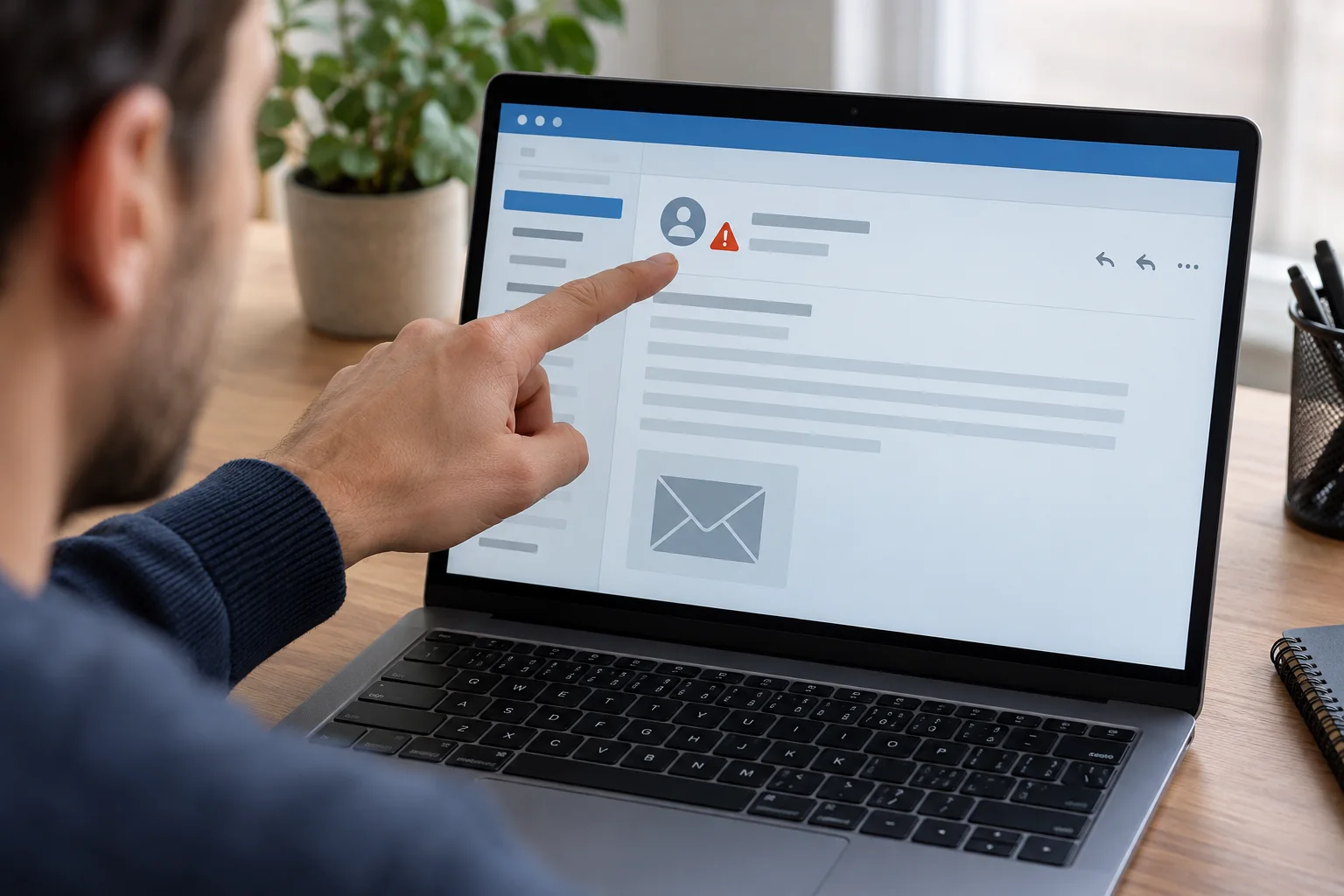
Accounts & securityAn email asks you to sign in immediately, accept changed payment details or open an unexpected document. The first question is not whether the message looks professional.
Read the guide 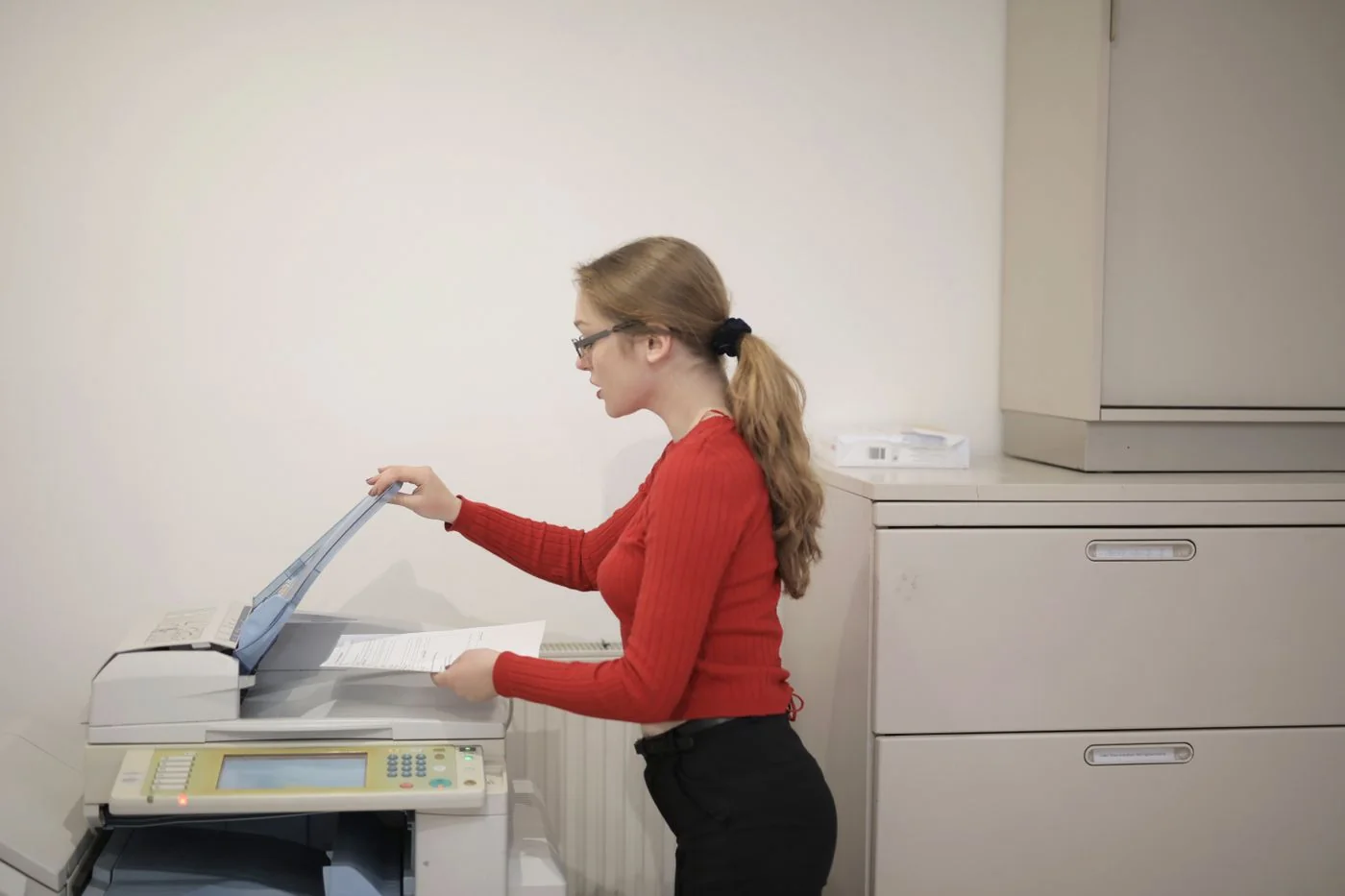
Printing & scanningA higher scan resolution captures more image information, but does not automatically produce a more useful document. File size, processing time and the quality of the original matter too.
Read the guide 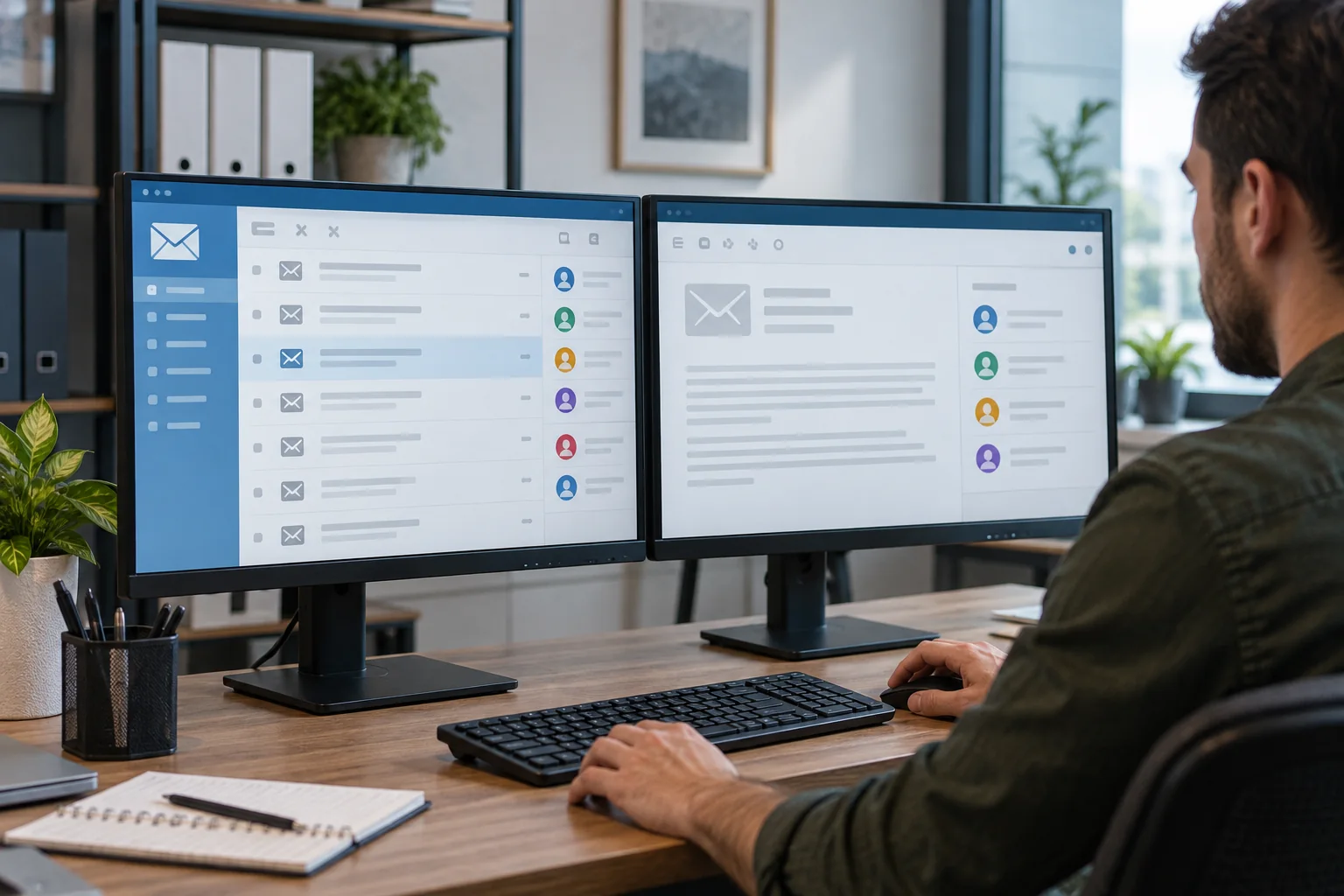
Small-team ITA shared mailbox answers the technical question of where messages arrive. It does not decide who replies, what counts as finished or how a replacement colleague identifies open work.
Read the guide 

Displays & accessoriesA monitor can have power and still show “No signal” because it is listening to the wrong input. The input name refers to the socket on the monitor, not necessarily the connector at the computer end.
Read the guide 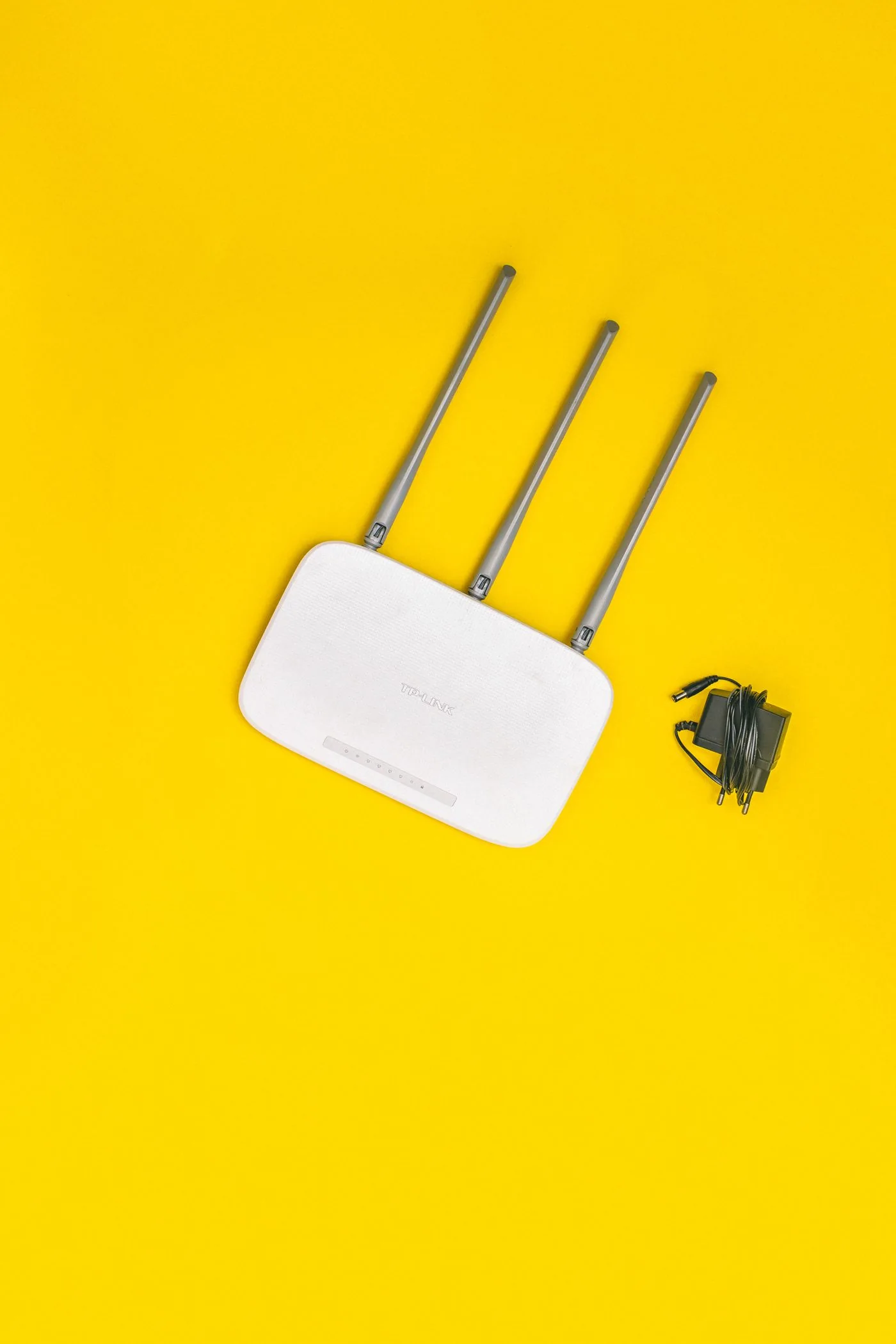
Networks & Wi-FiRestarting and resetting sound similar, but they have very different consequences for a router. A restart reloads the existing configuration.
Read the guide 
Files & backupAn external drive can still be in use after a copying window closes. The intended eject function helps finish access before you unplug it.
Read the guide 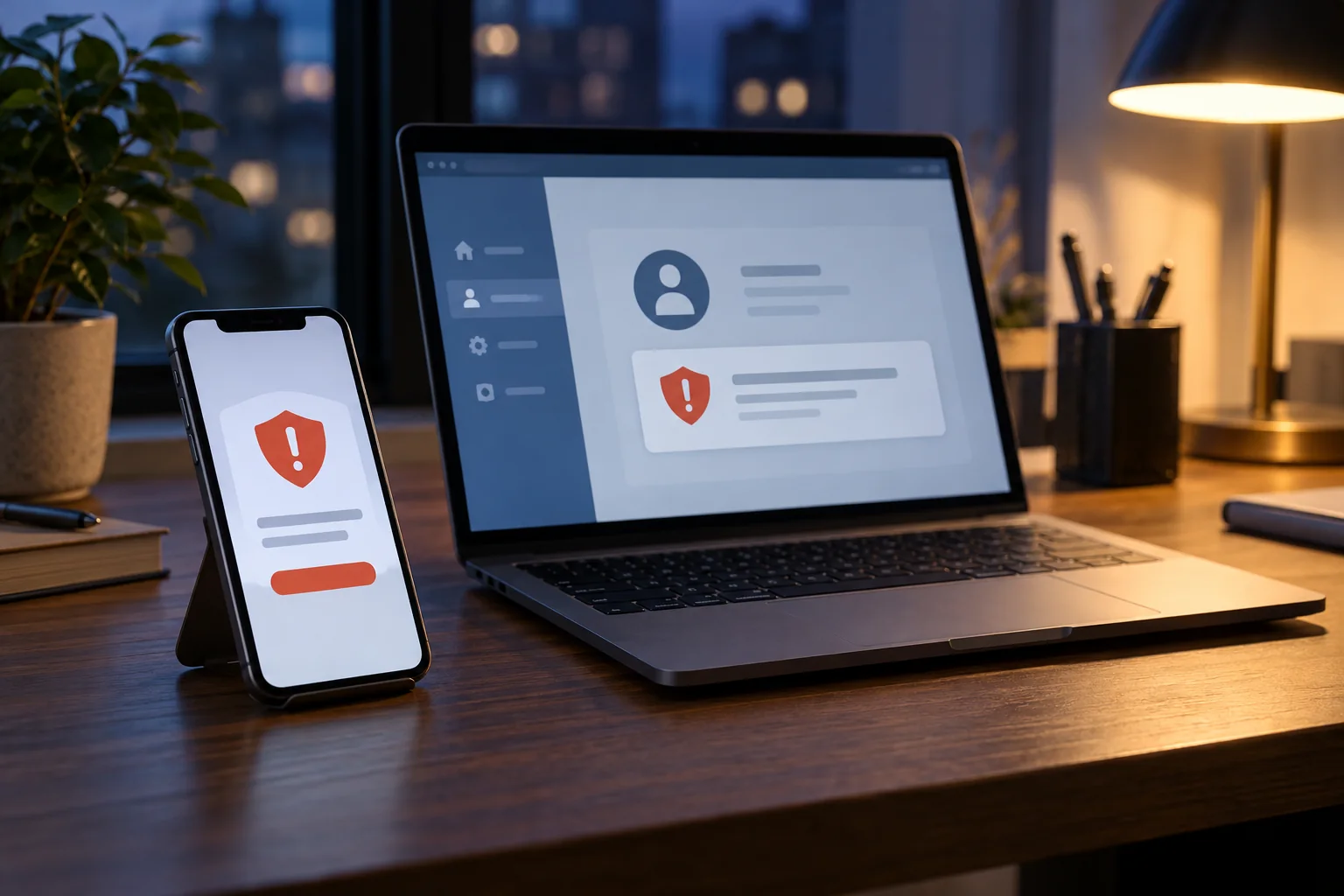
Accounts & securityA sign-in alert is a reason to inspect an account, but it is not a complete record of a successful intrusion. The notification itself could be forged.
Read the guide